

Roofing



Embarking on a renovation project in Texas brings excitement, but it also introduces a layer of bureaucracy that can catch first-time homeowners off guard. While Texas prides itself on independence, residential construction is heavily regulated to ensure safety and structural integrity.

Your roof represents one of the most significant investments you will make in your home, serving as the primary defense against the elements and a critical factor in your property’s value. Because the financial stakes are high, becoming an informed decision-maker is the most effective way to protect your budget and ensure the longevity of your home. This guide is designed to demystify the complexities of residential roofing, providing you with clear, actionable insights into selecting the right materials, understanding current cost structures, and implementing maintenance routines that prevent costly repairs down the road.
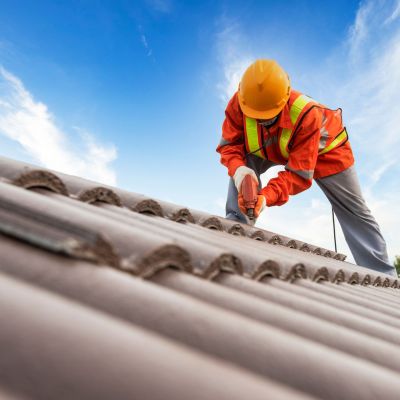
As we navigate 2026, the definition of a functional roof has fundamentally shifted. It is no longer just about keeping the rain out; it is about energy independence, insurance compliance, and resilience against increasingly volatile weather patterns. This year marks a turning point where advanced materials—from cool-roofing granules to integrated solar technologies—are finally intersecting with stabilizing supply chains, offering homeowners more value per square foot than we saw earlier in the decade.
If you live in Florida or Texas, you know the drill. As we head further into 2026, the familiar dread of opening the mid-summer electric bill is already looming. We crank up our air conditioning to combat the relentless Southern heat, hoping our HVAC units can keep up.
 English
  Spanish